



Honda CR-V Generations & History

Without question, the legendary Honda CR-V has remained one of the most popular and coveted models in the Honda model range. For close to 30 years, this legendary compact SUV has combined eye-catching style, capable performance, and clever features that have helped build its reputation as one of the best-selling Honda models. Whether you’re checking out the CR-V for the first time or you’ve already experienced all the impressive features that have made it so popular, you might be interested in learning more about the rich history of the CR-V which dates back to the mid-1990s. Germain Honda of Beavercreek has assembled this informative guide that will provide you with a more thorough understanding of the development, design, and ultimately the popularity of one of the best-selling Honda vehicles in history. Let’s begin!

What Does CR-V Stand For?
Prior to exploring the individual generations of the Honda CR-V, we’d like to answer one of the most frequently asked questions regarding this legendary SUV. What does the name “CR-V” stand for? Oddly enough, there’s not just one clear-cut answer to this question. Early press releases from Japan near the initial launch of the CR-V seem to imply that the name stood for “Comfortable Runabout Vehicle”. However, similar releases in the United Kingdom specify that the CR-V name stood for “Compact Recreational Vehicle”. Further complicating things, other sources list the CR-V abbreviation as “Civic Renaissance Model X”, likely in reference to the pre-production development of the vehicle. Regardless of the differing explanations, shoppers continue to choose the Honda CR-V over other rival SUVs and that trend continues today!
First Generation (1997-2001)
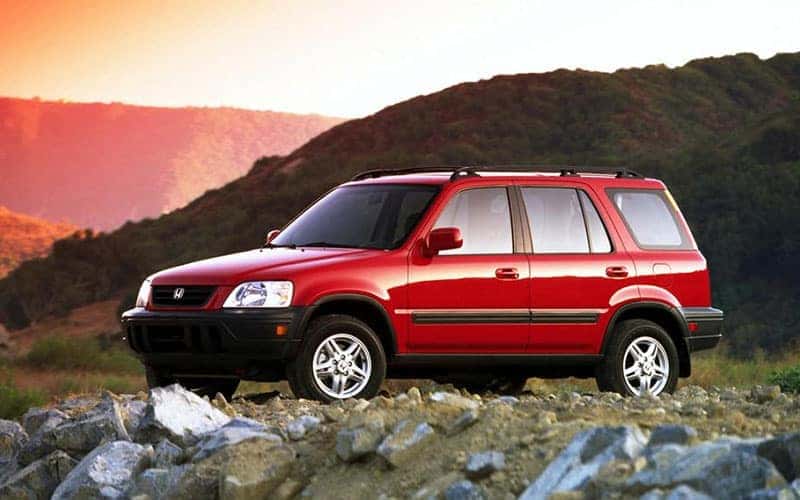
Internally designated as the RD1, the early phases of design for the first generation of the Honda CR-V started in 1995. Developed by Hiroyuki Kawase, the CR-V was the very first in-house developed SUV from Honda. Drivers in North America got their first look at the CR-V at the 1996 Chicago Auto Show with sales starting shortly afterward in February 1997. Offered only as a sole trim level with a 2.0-liter 4-cylinder engine for its first year of production, American buyers were quickly impressed by its sleek yet rugged exterior styling. One unique feature of the first-generation CR-V was its collapsible picnic table that was tucked neatly below the rear cargo area. It was just one of several impressive features that attracted buyers living active lifestyles, a signature trait of the Honda CR-V that’s still popular with today’s SUV buyers.
Second Generation (2002-2006)
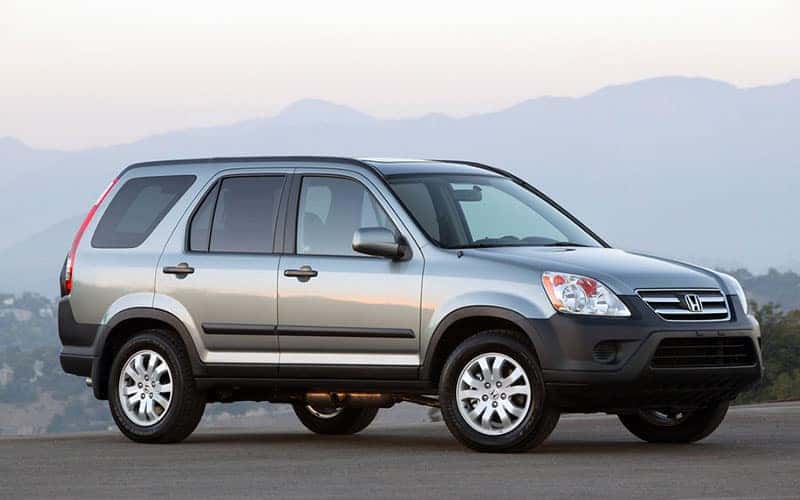
2002 marked the start of the second generation of the Honda CR-V, expanding on the popularity of the first-gen model with new styling, enhanced performance, and more standard features. Fuel efficiency was boosted significantly thanks to the addition of the iconic i-VTEC system, shared with the Honda Civic. Other additions included a revised suspension setup and chassis for superior on-road driving manners and in-vehicle refinement for a more premium experience. Later model years of the second-gen CR-V also saw its trim level range expanded to help grow its appeal among a wider range of SUV shoppers.

Third Generation (2007-2011)
The launch of the third-gen Honda CR-V started in September 2006 for the United States marked in the 2007 model year. Although it shared plenty of elements with the previous variant, the updated CR-V debuted with a rear liftgate and bottom-side spare tire mount, a departure from the side-opening rear door and door-mounted spare wheel. Under the hood was a standard 2.4-liter K-Series engine with increased power along with available all-wheel drive. Quickly growing in popularity, Honda soon expanded the production of the CR-V to many of its existing North American plans to meet the skyrocketing demand.
Fourth Generation (2012-2016)
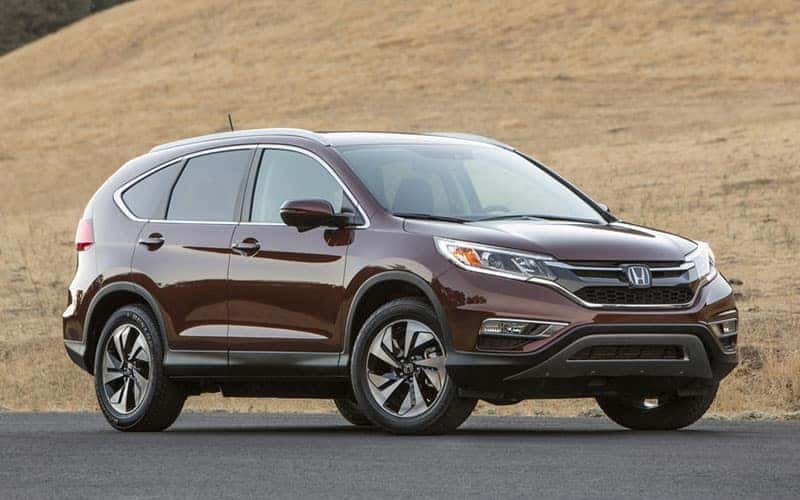
Now in its fourth generation for the 2012 model year, the Honda CR-V continued to grow more upscale and refined. New styling cues gave it a more elegant look compared to the boxier and more rugged-looking generations of years past. In a similar fashion, upper trim levels such as the EX-L and Touring gained premium amenities like cutting-edge connectivity features and leather-trimmed seating surfaces. One particularly groundbreaking feature that made its debut on the fourth-gen CR-V was the Honda Lane Watch camera, providing drivers with enhanced views of their surroundings when making a lane change.
Fifth Generation (2017-2022)
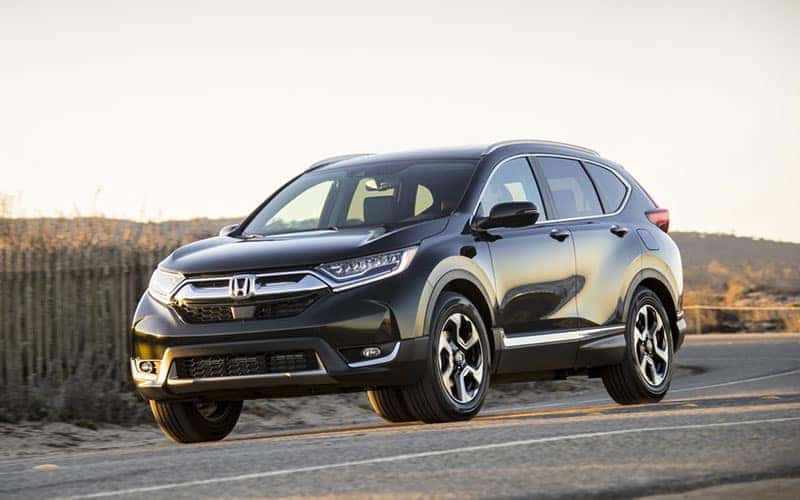
Several more milestones were achieved for the Honda SUV family with the launch of the more advanced and more sophisticated fifth-generation Honda CR-V. Every CR-V now comes standard with the Honda Sensing collection of revolutionary driver-assist technologies on every trim level. These include things like Adaptive Cruise Control, helping CR-V drivers stay confident and in control when driving in congested traffic or wide open stretches of highway. New LED exterior lighting features delivered greater visibility and further complemented its already sleek appearance. Speaking of styling, the fifth-gen model shifted back towards the more upright and rugged look that made the initial Honda CR-V such a popular choice among SUV buyers.
Sixth Generation (2023-Present)
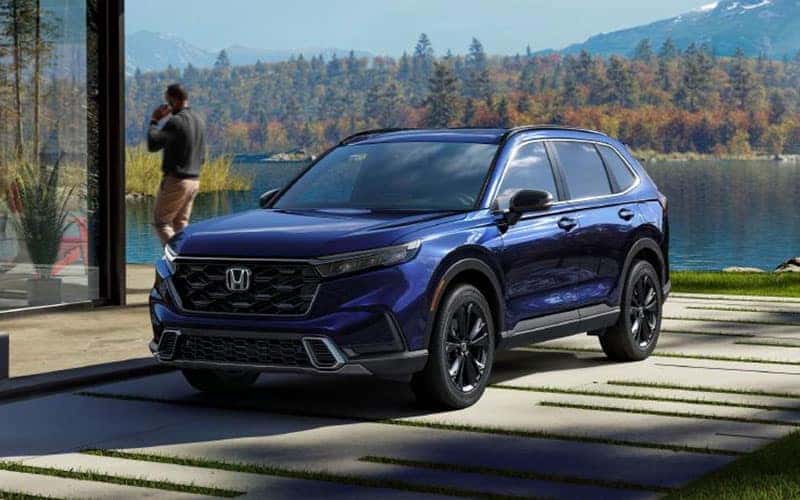
At last, we’ve come to the current sixth-generation Honda CR-V. Offered in both conventional and hybrid variants, this iconic compact SUV continues to demonstrate all of the quintessential advantages and perks that have made it the best-selling Honda vehicle of all time. Vibrant exterior paint colors, upscale interior materials, and outstanding tech features help the CR-V set the industry standard for compact SUVs. Our team at Germain Honda of Beavercreek invites you to come see for yourself all that this legendary SUV has to offer. We’re proud to carry an extensive selection of both new and used CR-V models priced to suit virtually any type of budget and lifestyle.