



Honda Winter Car Care for Beavercreek & Dayton Drivers

Honda produces the most reliable vehicles on the road, a statement that’s held up mile after mile, and decade after decade. Yours is no exception, of course, but at the same time, few things test that reliability quite like a bone-chilling winter in the Miami Valley. Whether it’s the temperature’s effect on critical components and fluids, or other things that get worn out faster, the cold season is tough on a vehicle. Fortunately, there are things you can do to soften the blow, and help ensure that you and your Honda make it to spring without incident.

Why Honda Winter Maintenance is Important
Cold and freezing weather can affect your Honda in numerous ways, thanks to the physics caused by the surrounding air, or the heightened importance of parts that receive particularly-demanding usage during the winter. When temperatures drop, so does the air pressure in your tires, as well as the effectiveness of your battery and engine oil. Meanwhile, things like your tires, brakes, windshield wipers and climate control systems begin to get stressed by heavy demand. Addressing these things before they affect your ability to travel is both smart and safe.
Caring For Your Honda All Year Long
One way to ensure that the maintenance on your Honda is up to date during the winter, or any other time of year, is through the Honda Maintenance Minder. Using your vehicle’s computer, the Maintenance Minder continuously checks conditions like speed, operating and ambient temperatures, time, and vehicle use to determine when regular maintenance is needed. When it is, your Honda will display a code that details exactly which maintenance is due. These will generally be led by an A or a B, followed by numbers, where each character corresponds with a specific maintenance activity.
A Honda Winter Care Checklist For Miami Valley Drivers
>Wherever you might be in the Dayton area, including places like Fairborn, Huber Heights, and Kettering, there are a few basic things you can do to get prepared for the winter ahead.
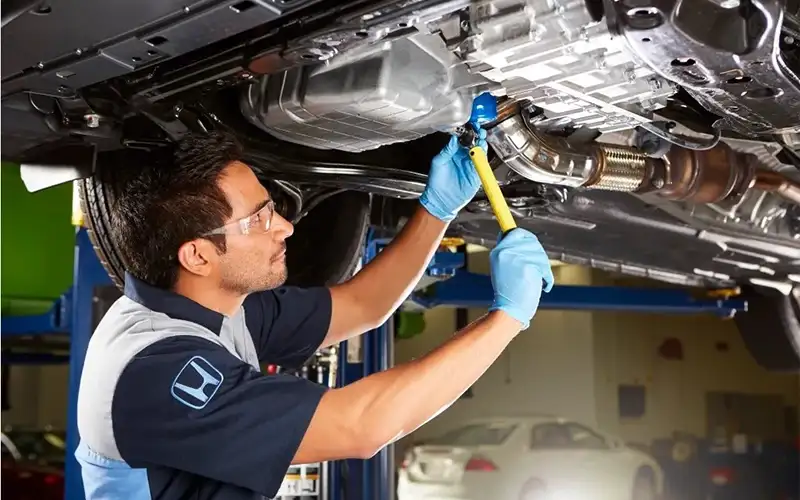
1. Check Your Tires, Replacing if Necessary
Your tires are your single most important bit of protection against the slush, ice, and snow that will accumulate on the roads during the winter months (often at the least-convenient times). To get ready for it, check your tread depth, and check the entire tire surface for damage. While you’re at it, make sure your tires have enough air in them — for every temperature decrease of ten degrees, they typically lose one PSI of air pressure. Finally, particularly if your tires are worn, you should consider switching to dedicated winter tires on your Honda.
2. Test Your Battery
It’s an annual tradition: on cold winter mornings, numerous drivers all over Southwest Ohio go to start their car…and it won’t, because the low temperatures have drained its battery. Don’t be one of them. Batteries can be professionally tested to ensure that their output is still strong. That, combined with regular replacement after three years, can keep your Honda moving.
3. Check Your Brakes
Like your tires, the brakes on your Honda are essential to maintaining safe footing on treacherous roads, whether that includes managing your speed over uncertain terrain or avoiding drivers who didn’t complete their winter maintenance checklist and had some sort of issue with their vehicle. Road salt can accumulate and cause corrosion on your brake lines, calipers, pads, and rotors, so it’s a good idea to get them checked each winter.
4. Check Oil and Other Fluids
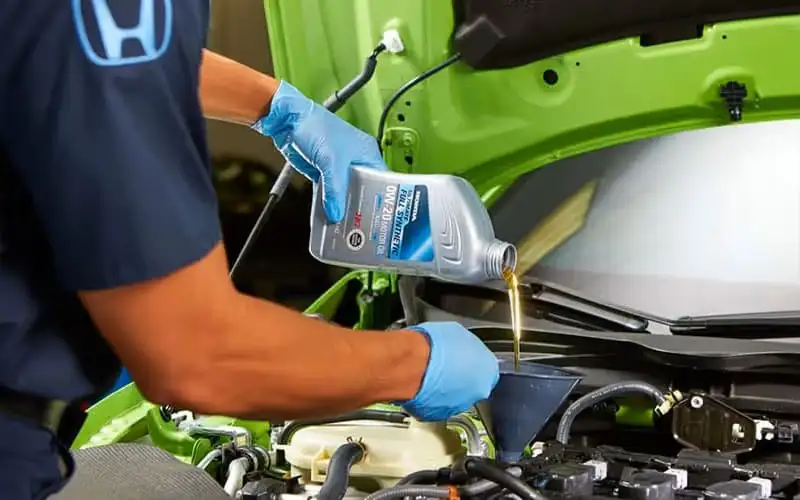
A pre-emptive oil change to a winter-optimized formula can help ensure that the engine in your Honda has the lubrication it needs to remain in full working order. However, there are other fluids that should be checked as well, including your windshield washer fluid (make sure it’s a type with a sufficiently-low freeze point) and your antifreeze, which regulates your engine’s temperature.
5. Inspect Your Heating and Defrosting Systems
Quite obviously, you’re going to be using the heater and the defrosters in your Honda a lot during the winter, with both systems essential not only for comfort, but for safety as well. Making sure they work generally doesn’t take very long, though it’s something that’s easy to overlook or ignore if any issues or irregularities are spotted.
6. Replace Your Wiper Blades
Whether they’re trying to help your defroster clean the windshield quickly, pushing away driving snow, or maintaining visibility as sprayed dirt accumulates on the road, your wipers take quite a beating during winter. Putting a brand new set of wiper blades on is one important, and inexpensive, step that can help avoid several seasonal annoyances.
7. Assemble an Emergency Kit
No matter how ready you think you are for the winter, there’s always the possibility of you and your Honda ending up stranded for whatever reason. Just in case, keep some essential supplies in your trunk. These can include a bag of salt, sand, or cat litter to help you find traction for slipping tires, as well as jumper cables, a blanket and warm clothes, a flashlight, an ice scraper, and some non-perishable snacks. Hopefully you’ll never need any of those things, but you’ll be glad they’re on hand.
Get Set For Winter in Dayton
If you want, you can bookmark this checklist to help you prepare your Honda for the winter. Or you can just bring your vehicle to Germain Honda of Beavercreek to take care of everything at once. Our factory-trained technicians are standing by to help drivers all over the Miami Valley get ready for the cold months ahead, and we’re equipped with the tools and diagnostic equipment to give your Honda the care it deserves.